
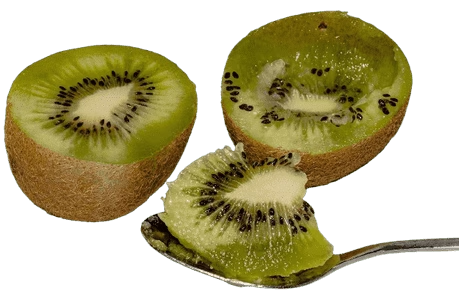
When it comes to superfoods, some fruits get all the attention: blueberries, acai, or even exotic berries. But one of the most nutrient-dense fruits is often overlooked: the kiwi fruit.
Small, fuzzy, and vibrant green on the inside, kiwi is more than just a sweet and tangy snack. It’s a science-backed powerhouse that supports digestion, immunity, heart health, skin, sleep, and more.
In this article, we’ll explore what kiwi is, its nutritional profile, the health benefits supported by research, and practical ways to include it in your daily diet. By the end, you’ll see why one kiwi a day might just be the easiest superfood upgrade for your health. Let’s explore the science!
Origins and Varieties of Kiwi
Kiwi, also called kiwifruit or Chinese gooseberry, is a small, oval fruit with a fuzzy brown exterior and bright green or golden flesh inside. It was originally native to China, hence the name Chinese gooseberry (britannica.com).
However, in the early 20th century, it was exported to New Zealand, where it was cultivated commercially and renamed “kiwi” after the native bird (Richardson et al. 2018). Today, kiwi is grown worldwide, including in Italy, Chile, the United States, and New Zealand. (Ward et al. 2013; britannica.com).
There are several varieties of kiwi fruit. These include:
- Green Kiwi: The most common type, with a fuzzy brown exterior and bright green flesh. Known for its sweet-tart flavour and higher fiber content.
- Golden Kiwi: Smooth skin, yellow flesh, sweeter flavour, slightly lower fiber but higher vitamin C content.
- Baby Kiwi (Hardy Kiwi): Smaller, grape-sized fruit with smooth, edible skin that’s sweeter and more delicate.
Each variety provides a dense nutritional profile, making kiwi versatile and beneficial across diets.
Kiwi fruit or Chinese gooseberry, is a small, oval fruit with a fuzzy brown exterior and bright green or golden flesh inside
Nutrition Profile of Kiwi
A medium-sized kiwi or (~70g), reportedly contains fiber, around 2.1g, which is 8% of the recommended daily value, protein (0.8g, 2%), vitamin C (92 mg, 102%), vitamin K (40 mcg, 33%), vitamin E (1 mg, 7%), potassium (215 mg, 5%), folate (25 mcg, 6%) and carbohydrates (10 g, 3%) and 42 calories (2% of daily value) and antioxidants, flavonoids, carotenoids (US Department of Agriculture, 2016; Richardson et al. 2018).
Kiwi is not just tasty; it’s nutritionally dense, providing essential vitamins, minerals, fiber, and unique plant compounds that support overall health. Its sweet-tart flavour and convenient size make it ideal as a snack, smoothie ingredient, or salad addition.
Key Takeaways:
- Rich in potassium and antioxidants, supporting heart and cellular health.
- Kiwi provides more vitamin C per serving than an orange.
- It’s a source of dietary fiber for digestive health.
Health Benefits of Kiwi (Science-Backed)
Before exploring the many ways kiwi fruit may support your health, it is important to remember that no single food can prevent or cure disease. However, when enjoyed as part of a balanced, nutrient-rich diet, kiwi provides an impressive array of vitamins, minerals, fibre, and antioxidants that researchers have linked to several health benefits.
Here are some of the ways this small but mighty fruit may contribute to your overall well-being.
Immune System Support
Kiwi is a vitamin C powerhouse, delivering over 100% of your daily requirement in just one fruit. Vitamin C enhances immune function, reduces inflammation, and protects against oxidative stress.
There is sufficient evidence from in vitro as well as animal and human studies have supported the role of vitamin C in the functioning of the immune system. This was observed in the leukocytes, which are the cells in the body responsible for defending it against pathogens. These cells were shown to be high in vitamin C, which suggests its critical function in the immune system (Carr and Frei, 1999; Richardson et al., 2018).
Further, a 2012 study by Hunter and colleagues, which focused on the kiwi fruit and the infections of the upper respiratory tract, found that kiwi consumption improved immune markers and reduced cold symptoms in adults, particularly in older populations and children (Hunter et al. 2012).
Here are some other fruits that help to support the immune system:
- Cranberries – The Little Red Berries with Some ‘Huge’ Health Benefits
- 5 Powerful Benefits of Elderberry (And Why Everyone is Talking About It)
Digestive Health
According to research, kiwi contains actinidin, an enzyme that helps break down proteins in the stomach, making digestion more efficient (Kaur et al. 2010; Ciardiello et al. 2008). As such, research contends that, when combined with soluble and insoluble fiber, kiwi can help reduce bloating, promote regular bowel movements and support a healthy gut microbiome (Ansell et al. 2013; Richardson et al. 2018).
A 2013 study in Appetite reported that participants who ate two kiwis daily experienced improved bowel regularity and less constipation, highlighting kiwi’s role as a natural digestive aid (Gearry et al. 2023).
Here are two (2) wholesome podcast episodes about gut health or general health:
Heart Health
Kiwi contributes to cardiovascular wellness through multiple mechanisms (Suksomboon et al. 2019). This is due to some of its most prominent nutrients, such as potassium, which helps to regulate blood pressure, fiber, which helps to reduce LDL cholesterol; and antioxidants, which help to protect blood vessels from oxidative stress.
A study by Duttaroy and colleagues in 2004 showed that eating two kiwis daily for 28 days reduced platelet aggregation, potentially lowering the risk of blood clots and heart disease (Duttaroy and Jorgensen, 2004; Gammon et al., 2013).
Sleep and Mood Support
Research suggests that kiwi may promote better sleep due to its serotonin, folate, and antioxidant content. Serotonin regulates sleep patterns, while antioxidants reduce oxidative stress that can interfere with restful sleep (Doherty et al. 2023).
Further, a study by Lin and colleagues in 2011 found that consuming two kiwis an hour before bed improved sleep onset, duration, and efficiency in adults (Lin et al. 2011).
Here are some awesome podcast episodes about sleep:
- Podcast: Is Your Lifestyle Quietly Damaging Your Brain?
- Podcast: Sleepmaxxing – Optimizing Sleep Like a Hacker
- Podcast: You’re Sleeping…But Are You Resting?
- Podcast: Can You Really Catch Up on Sleep Over the Weekend?
Skin and Anti-Aging Benefits
Vitamin C in kiwi aids collagen synthesis, essential for skin elasticity and wound healing. Antioxidants help protect against UV damage and premature aging (Richardson et al. 2018).
Observational studies have shown that vitamin C-rich fruits like kiwi improve skin texture and reduce fine lines (Richardson et al. 2018; Pullar et al. 2025).
Here are some other detailed articles about skin health. You can even find a few podcast episodes as well:
- Podcast – What Aging Really Looks Like (And it’s Not Anti-Aging)
- Podcast – How to Age Like a Boss
- 6 Skincare Benefits of Vitamin C and How to Add it to Your Skincare Regimen
- Vitamin D and the Skin – 3 Major Benefits Worth Knowing
- Aging like a boss – 5 Skincare Ingredients that are ‘Must-Haves’ in Your Anti-aging Arsenal
- Love the Skin You’re In: Understanding the Basics of Healthy Skin
- Hyaluronic Acid: Anti-Aging Hero or Fad?
- Glycolic Acid – The Sting of Beauty
- Oh No, Not on My Skin – 5 Skincare Ingredients to Carefully Examine or Just Avoid
Eye Health
Kiwi contains carotenoids such as lutein and zeaxanthin, which support eye health and may reduce the risk of age-related macular degeneration (Mrowicka et al. 2022; Latocha, 2017).
Further, studies have highlighted that carotenoid-rich diets protect the retina from oxidative damage and improve visual function (Arunkumar et al. 2020). Other carotenoid-rich foods include green leafy vegetables and yellow and orange fruits and vegetables.
You can read about lutein, zeaxanthin and more about eye health, including foods that can contribute to their overall health in the detailed articles below:
- 5 ‘Must-Have’ Ingredients for Impeccable Eye Health
- Astaxanthin Explained: 3 Major Benefits Side Effects and What Research Says
- Lutein Benefits for the Eyes and Beyond: 3 Major Health Benefits of this Powerful Carotenoid
Weight Management
Research also shows that kiwi may be able to help with weight management.
This is because kiwi is low in calories, high in fiber, and naturally sweet, making it an ideal snack for weight management. It helps reduce cravings, supports gut health, and keeps you full longer.
In an experimental study with Yang and colleagues in 2020, it was found that the consumption of two (2) kiwi fruits per day for six (6) weeks resulted in a reduction in body fat mass, improved blood pressure and regulated inflammatory responses in overweight and obese young adults (Yang et al. 2020).
You can read more about weight management in the detailed articles below:
- What is Cardio Exercise? Benefits, Types and How to Do it at Home
- Exercise is More than Weight Loss: 5 Science-Backed Benefits
- Exercise and Mental Health – Is there a Positive Link?
- Creating Your ‘hiit’ Fitness Program
- So you ‘wanna’ walk – Here Are 5 Ways to Do it For Weight Loss
- So you ‘wanna’ Run – Here are two (2) Major health Benefits and Five (5) Ways to Run for Weight Loss
- Pilates: What It Is and Why You Should Really Add it to Your Fitness Routine
Sugar Content and Best Time to Eat Kiwi
A typical 100-gram serving of kiwi fruit reportedly contains natural sugar, around 6 grams per fruit. It is also reportedly low on the glycemic scale, with a rating between 50 and 52. As such, it is reportedly suitable for most diets, including prediabetes and weight management (Monro, 2013; glycemic -index.net).
According to research, these are some of the best times to consume kiwi fruit. However, no specific timing was provided for digestion; as such, it may be eaten at varied times throughout the day (Lin et al. 2011; Richardson et al. 2018; Kaur et al. 2022).
Best times to eat kiwi:
- Morning: Boost digestion and vitamin C
- Post-meal: Aid protein digestion with actinidin
- Evening: Support sleep quality through serotonin
You can learn more about the glycemic index in the podcast episode below. You can also learn more about kiwi by watching the video as well:
- Video – The Truth About Kiwi: Benefits, Sugar Contents & When to Eat it
- Podcast – The Truth About Mangoes: Healthy Superfruit or Sugar Bomb?
How to Include Kiwi in Your Diet
Incorporating kiwi into your diet does not have to be complicated. Its naturally sweet and tangy flavour pairs well with both sweet and savoury dishes, making it a convenient way to increase your intake of nutrient-dense foods. Below are some easy ideas for enjoying kiwi as part of a healthy, balanced eating pattern.
- Fresh: Slice and eat alone
- Smoothies: Blend with spinach, banana, or berries
- Salads: Add to fruit or leafy salads
- Yoghurt bowls: Mix with granola or nuts
- Frozen treats: Freeze slices for a refreshing snack
- Breakfast: Pair kiwi with oatmeal or yoghurt for a heart-healthy breakfast.
- Post-meal: To help digest protein-rich foods like eggs, chicken, or fish.
- Before Bed: Enjoy kiwi as an evening snack to help wind down naturally.
- Creative recipes: Kiwi salsa, chia pudding, or kiwi parfaits
Fun Facts and Myths about Kiwi
Beyond its impressive nutritional profile, kiwi fruit has a fascinating history and several unique characteristics that many people may not know. From its origins to its surprising features, here are a few fun and interesting facts about this small but remarkable fruit.
- Storing kiwi at room temperature allows it to ripen naturally; refrigeration prolongs shelf life.
- Kiwi skin is edible and packed with fiber, though many prefer peeling it.
- Golden kiwi is sweeter and slightly lower in fiber than green kiwi.
- Kiwi was once called Chinese gooseberry before its global rebranding.
Illustrative Summary
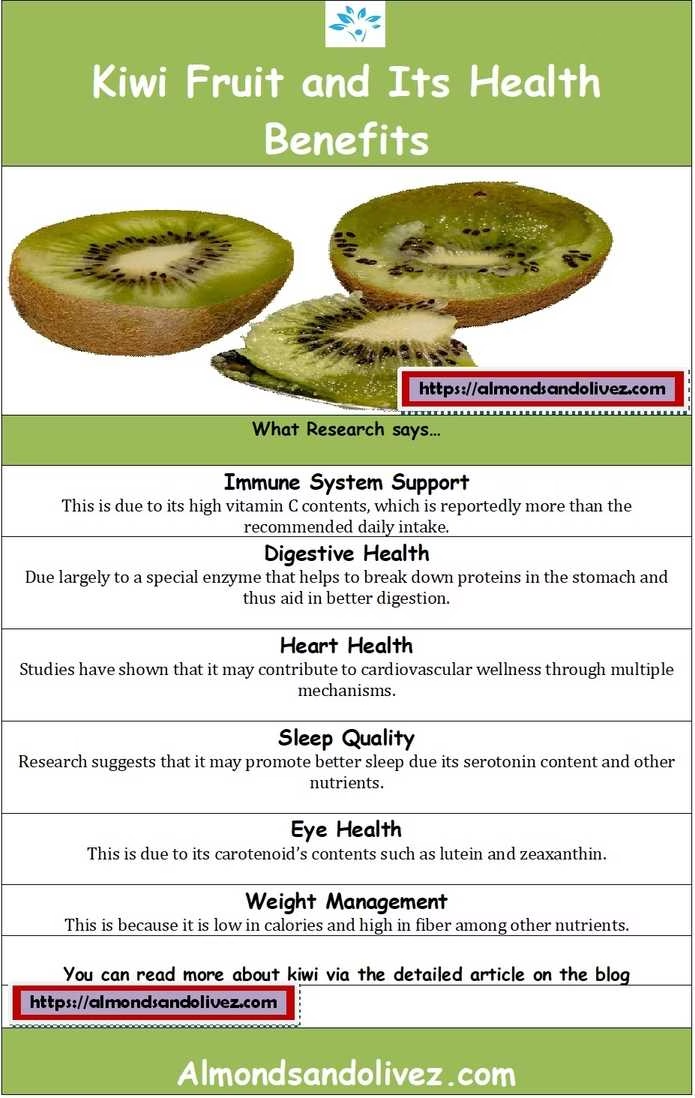
Here is an illustrative summary of the Health Benefits of KIWI FRUIT
Let’s Sum Up!
Kiwi may be small, but it’s a nutritional powerhouse. Packed with vitamin C, fiber, antioxidants, and enzymes, it supports immunity, digestion, heart health, sleep quality and skin and eye health
Adding one or two kiwis a day is an easy, delicious way to boost your overall wellness. Slice it into your morning oatmeal, blend it into a smoothie, or enjoy it fresh as a snack; your body will thank you.
So, now that we have explored kiwi and its benefits, is this a fruit you have consumed before? If not, would you be trying it now that you have explored its many health benefits? Share it nuh! In the comments below.
You can also watch a detailed video about kiwi fruit here:
Here are a few useful articles and free downloads that can help you on your journey of a healthier lifestyle, not only for 2026, but beyond!
- Video – Let’s Talk Super Greens
- Video – Let’s Talk Eye Health
- Video- Let’s Talk Guinep
- Podcast – Top Functional Foods of 2026 & Beyond
- Free Download – Healthy Grocery Shopping List Guide
References and Further Readings
- Ansell J, Parkar S, Paturi G, Rosendale D, Blatchford PA (2013) Modification of the colonic microbiota. In: Boland M, Moughan PJ (eds) Nutritional Benefits of kiwifruit. Advances in food and nutrition research, vol 68. Elsevier, pp 205–21. [PubMed]
- Arunkumar R, Gorusupudi A, Bernstein PS. The macular carotenoids: A biochemical overview. Biochim Biophys Acta Mol Cell Biol Lipids. 2020 Nov;1865(11):158617. doi: 10.1016/j.bbalip.2020.158617. Epub 2020 Jan 10. PMID: 31931175; PMCID: PMC7347445.
- Carr AC, Frei B. Toward a new recommended dietary allowance for vitamin C based on antioxidant and health effects in humans. Am J Clin Nutr. 1999;69(6):1086–1107. doi: 10.1093/ajcn/69.6.1086. [PubMed]
- Ciardiello MA, Meleleo D, Saviano G, Crescenzo R, Carratore V, Camardella L, Gallucci E, Micelli S, Tancredi T, Picone D, Tamburrini M. Kissper, a kiwi fruit peptide with channel-like activity: structural and functional features. J Pept Sci. 2008;14(6):742–754. doi: 10.1002/psc.992. [PubMed]
- Doherty R, Madigan S, Nevill A, Warrington G, Ellis JG. The Impact of Kiwifruit Consumption on the Sleep and Recovery of Elite Athletes. Nutrients. 2023 May 11;15(10):2274. doi: 10.3390/nu15102274. PMID: 37242157; PMCID: PMC10220871.
- Duttaroy AK, Jørgensen A. Effects of kiwi fruit consumption on platelet aggregation and plasma lipids in healthy human volunteers. Platelets. 2004 Aug;15(5):287-92. doi: 10.1080/09537100410001710290. PMID: 15370099.
- Gammon CS, Kruger R, Minihane AM, Conlon CA, von Hurst PR, Stonehouse W. Kiwifruit consumption favourably affects plasma lipids in a randomised controlled trial in hypercholesterolaemic men. British Journal of Nutrition. 2013;109(12):2208-2218. doi:10.1017/S0007114512004400
- Gearry R, Fukudo S, Barbara G, Kuhn-Sherlock B, Ansell J, Blatchford P, Eady S, Wallace A, Butts C, Cremon C, Barbaro MR, Pagano I, Okawa Y, Muratubaki T, Okamoto T, Fuda M, Endo Y, Kano M, Kanazawa M, Nakaya N, Nakaya K, Drummond L. Consumption of 2 Green Kiwifruits Daily Improves Constipation and Abdominal Comfort-Results of an International Multicenter Randomized Controlled Trial. Am J Gastroenterol. 2023 Jun 1;118(6):1058-1068. doi: 10.14309/ajg.0000000000002124. Epub 2022 Dec 20. PMID: 36537785; PMCID: PMC10226473.
- Hunter DC, Skinner MA, Wolber FM, Booth CL, Loh JM, Wohlers M, Stevenson LM, Kruger MC. Consumption of gold kiwifruit reduces severity and duration of selected upper respiratory tract infection symptoms and increases plasma vitamin C concentration in healthy older adults. Br J Nutr. 2012 Oct;108(7):1235-45. doi: 10.1017/S0007114511006659. Epub 2011 Dec 15. PMID: 22172428.
- Kaur L, Rutherfurd SM, Moughan PJ, Drummond L, Boland MJ. Actinidin enhances protein digestion in the small intestine as assessed using an in vitro digestion model. J Agric Food Chem. 2010;58(8):5074–5080. doi: 10.1021/jf903835g. [Google Scholar]
- Kaur L, Mao B, Bailly J, Oladeji O, Blatchford P, McNabb WC. Actinidin in green and Sungold kiwifruit improves digestion of alternative proteins-an in vitro investigation. Foods. 2022;11(18):2739. doi:10.3390/foods11182739
- Latocha P. The Nutritional and Health Benefits of Kiwiberry (Actinidia arguta) – a Review. Plant Foods Hum Nutr. 2017 Dec;72(4):325-334. doi: 10.1007/s11130-017-0637-y. PMID: 28988409; PMCID: PMC5717121.
- Lin H.H., Tsai P.S., Fang S.C., Liu J.F. Effect of Kiwifruit consumption on sleep quality in adults with sleep problems. Asia Pac. J. Clin. Nutr. 2011; 20:169–174. [PubMed]
- Monro JA. Kiwifruit, carbohydrate availability, and the glycemic response. Adv Food Nutr Res. 2013; 68:257-71. doi: 10.1016/B978-0-12-394294-4.00014-6. PMID: 23394992.
- Mrowicka M, Mrowicki J, Kucharska E, Majsterek I. Lutein and Zeaxanthin and Their Roles in Age-Related Macular Degeneration-Neurodegenerative Disease. Nutrients. 2022 Feb 16;14(4):827. doi: 10.3390/nu14040827. PMID: 35215476; PMCID: PMC8874683.
- Pullar J, Bozonet S, Segger D (2025). Improved Human Skin Vitamin C Levels and Skin Function after Dietary Intake of Kiwifruit: A High-Vitamin-C Food. Journal of Investigative Dermatology, 2025; 146, 1408-1411.e7
- Richardson DP, Ansell J, Drummond LN. The nutritional and health attributes of kiwifruit: a review. Eur J Nutr. 2018 Dec;57(8):2659-2676. doi: 10.1007/s00394-018-1627-z. Epub 2018 Feb 22. PMID: 29470689; PMCID: PMC6267416.
- Suksomboon N, Poolsup N, Lin W. Effect of kiwifruit on metabolic health in patients with cardiovascular risk factors: a systematic review and meta-analysis. Diabetes Metab Syndr Obes. 2019 Jan 23; 12:171-180. doi: 10.2147/DMSO.S193225. PMID: 30774402; PMCID: PMC6350646.
- US Department of Agriculture (2016) Green Kiwifruit. USDA National Nutrient Database for Standard Reference, Release 28 (slightly revised). Version: May 2016. US Department of Agriculture (USDA), Agricultural Research Service (ARS), Nutrient Data Laboratory, Beltsville (MD). http://www.ars.usda.gov/ba/bhnrc/ndl
- Ward, Carol & Courtney, David. (2013). Kiwifruit. Taking Its Place in the Global Fruit Bowl. Advances in food and nutrition research. 68. 1-14. 10.1016/B978-0-12-394294-4.00001-8.
- Yang HY, Wang WH, Zhan JY, Huang YL, Cheng WY. Beneficial Effects of Golden Kiwifruit Consumption in Overweight and Obese Young Adults. J Nutr Sci Vitaminol (Tokyo). 2020;66(Supplement): S356-S360. doi: 10.3177/jnsv.66. S356. PMID: 33612624.


 The Ebola of It: The Science Behind Ebola and What You Should Know