
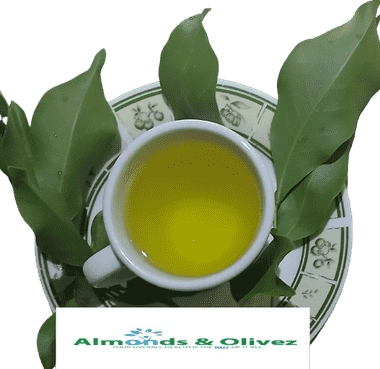
Across the Caribbean, traditional herbal remedies, often referred to as “bush teas,” have long been used to support health and manage common ailments. Among these is guinep leaf tea, a lesser-discussed but culturally significant preparation associated with wellness practices in the Antilles (most countries of the Caribbean, including Jamaica).
Derived from the leaves of the guinep tree, Melicoccus bijugatus, this herbal infusion is sometimes grouped alongside other traditional teas used for “cooling the body,” managing fever, or promoting general health. In some regions, it is even loosely associated with the concept of “fever grass,” a term more commonly linked to other plants but reflective of its traditional use.
I never really thought about making guinep leaf tea until recently, after seeing a growing interest in it. While “bush teas” such as lime leaf, soursop leaf, and cerasee (which I enjoy once or twice a month) are more regular staples in my wellness pantry, guinep leaf tea was not one of them.
However, as a long-time lover of guinep fruit, I became curious about whether the leaves could offer a similar appeal in tea form—and I must say, it did not disappoint. But what does science say about guinep and its leaves? Can guinep leaf tea truly offer measurable health benefits, or are its effects primarily rooted in tradition? Let’s explore what research says!
What is Guinep Leaf Tea?
Guinep leaf tea is a traditional herbal infusion made from the leaves of the Melicoccus bijugatus (Guinep tree). It is commonly used in Caribbean bush tea practices for its potential health-supporting properties (Bailey and E.Z., 1976; Stoffels, 2008).
The fruit—commonly called Guinep, quenepa, or Spanish lime—is well known and widely consumed. However, the leaves, bark, and seeds have also been used in traditional medicine for various purposes, including:
- Digestive support
- Fever reduction
- Blood pressure management
- General “cleansing”
While most scientific studies have focused on the fruit, emerging research suggests that other parts of the plant may also contain bioactive compounds.
In this article, we explore the phytochemical composition of guinep leaves, their purported benefits and risks, cultural significance, fresh vs dried leaves, as well as a free download of the Caribbean Bush Tea Guide.
You can read more about the guinep fruit in this detailed article:
Guinep (Ackee Plum): Nutrition, Health Benefits, Uses & Risks
Guinep leaf tea is a traditional herbal infusion made from the leaves of the Melicoccus bijugatus (Guinep tree). It is commonly used in Caribbean bush tea practices for its potential health-supporting properties
Potential Phytochemical Composition of Guinep Leaves
Although research on guinep leaves is still developing, studies on the plant indicate the presence of several bioactive compounds, including polyphenols, flavonoids, tannins and saponins (Wilson et al. 2019; Nwokocha et al. 2020).
These compounds are well known for their antioxidant and anti-inflammatory properties, which are key mechanisms in disease prevention and overall health (Wilson et al. 2019; Nwokocha et al. 2020).
For example, research on plant-based compounds shows that polyphenols can help neutralize free radicals and reduce oxidative stress, a process linked to chronic diseases such as cardiovascular disease and metabolic disorders. (Rudrapal et al. 2022).
Can Guinep Leaves Be Used to Make Tea?
Yes, according to research, the leaves of Melicoccus bijugatus can be used to prepare a traditional herbal infusion commonly known as guinep leaf tea. While the fruit of the guinep tree is more widely known and consumed, the leaves have long been used in Caribbean bush tea practices for their potential health-supporting properties.
To make the tea, the leaves are typically washed and then steeped or simmered in hot water, releasing bioactive compounds such as polyphenols and flavonoids into the infusion. These compounds are associated with antioxidant and anti-inflammatory effects, which may contribute to the tea’s traditional use for general wellness.
Both fresh and dried guinep leaves can be used, although fresh leaves are more commonly preferred in traditional preparation. As with many herbal teas, the strength and effects of the tea can vary depending on the quantity of leaves used and the duration of steeping. It is important to note that while guinep leaf tea is part of traditional practices, scientific research on its direct health effects is still limited.
Therefore, it should be consumed in moderation and viewed as a complementary addition to a balanced diet rather than a primary treatment for any condition.
Potential Health Benefits of Guinep Leaf Tea – What Science Says
While direct human studies on guinep leaves are limited, the bioactive compounds identified in Melicoccus bijugatus and similar medicinal plants provide a scientific basis for several potential health benefits.
1. Cardiovascular Support and Blood Pressure Regulation
Some of the strongest scientific evidence related to guinep comes from studies on its cardiovascular effects, including one at the University of the West Indies, Jamaica (UWI). Research has shown that extracts of Melicoccus bijugatus may exert hypotensive (blood pressure-lowering) effects, likely through mechanisms involving nitric oxide pathways and vascular relaxation (Nwokocha et al., 2020; Carmona-Hernandez et al., 2025).
Although this research focused primarily on the fruit, it suggests that compounds within the plant may influence cardiovascular health.
Nitric oxide plays a key role in maintaining vascular tone and blood flow. Improved nitric oxide bioavailability is associated with reduced blood pressure and improved endothelial function.
Additionally, diets rich in plant polyphenols, compounds likely present in guinep leaves, have been associated with reduced risk of cardiovascular disease (Jin and Loscalzo, 2010).
Implication: Guinep leaf tea may support heart health indirectly by improving vascular function and reducing blood pressure risk factors.
2. Antioxidant Protection and Cellular Health
Oxidative stress occurs when there is an imbalance between free radicals and antioxidants in the body, contributing to aging and chronic disease.
Plant-based compounds such as flavonoids and polyphenols, commonly found in medicinal leaves, are well-documented for their antioxidant properties. These compounds help neutralize free radicals and protect cellular structures (Rudrapal et al. 2022).
Although specific studies on guinep leaves are limited, research on tropical plant leaves with similar phytochemical profiles (rich in polyphenols and flavonoids) suggests significant antioxidant potential.
This suggests that guinep leaf tea may offer protective effects at the cellular level, though more targeted studies are needed.
Implication: Guinep leaf tea may help reduce oxidative stress, supporting overall cellular health and disease prevention.
3. Anti-Inflammatory Effects
Chronic low-grade inflammation is a major contributor to many conditions, such as cardiovascular disease, metabolic disorders, and Type 2 Diabetes (Chavda et al. 2024).
Flavonoids and tannins, compounds likely present in guinep leaves, have been shown to inhibit inflammatory pathways and reduce pro-inflammatory markers (Nguyen et al., 2016).
These anti-inflammatory effects may help explain the traditional use of guinep tea for fever and general “cooling” of the body.
Implication: Guinep leaf tea may support the body’s inflammatory response, contributing to overall health and resilience.
You can listen to the podcast about inflammation to learn about how it can affect the body, especially in the long-term. You can also listen to another episode about blood sugar and diabetes in general:
- Podcast: The Blood Sugar Conversation Everyone Should be Having
- Podcast: Is Everything Inflammation? What Science Says
4. Potential Support for Metabolic Health
While direct studies on guinep leaves and metabolic health are scarce, plant-based diets rich in polyphenols have been associated with improved insulin sensitivity and glucose metabolism (Williamson and Sheedy, 2020; Bystrom, 2012).
Given the phytochemical composition of guinep, it is plausible that its leaves may contribute to metabolic support, particularly when consumed as part of a balanced diet.
Implication: Guinep leaf tea may offer supportive benefits for metabolic health, though more research is needed.
5. Digestive and Gut Health Support (Traditional + Emerging Evidence)
Traditionally, guinep leaf tea has been used to support digestion. While scientific evidence is limited, plant tannins and polyphenols have been shown to support gut microbiota balance, reduce harmful bacterial activity, and improve digestive function (Zhao et al. 2024).
Implication: Guinep leaf tea may contribute to gut health, aligning with its traditional use for digestive support.
You can listen to the podcast about gut health and how to improve it naturally.
What are the Benefits of Guinep leaf tea? Guinep leaf tea may support heart health, reduce oxidative stress, and help regulate inflammation due to its plant-based compounds.
Who Should Avoid or Be Cautious with Guinep Leaf Tea?
While guinep leaf tea (from Melicoccus bijugatus) may offer potential benefits, certain individuals should exercise caution or avoid it altogether.
Individuals with low blood pressure or those taking antihypertensive medications should be mindful, as compounds in guinep may have mild blood pressure–lowering effects. Similarly, people managing blood sugar levels, particularly those on medication, should use caution due to potential metabolic interactions.
Pregnant and breastfeeding individuals are generally advised to avoid herbal teas unless approved by a healthcare provider, as safety data is limited. Additionally, individuals with chronic conditions such as kidney or liver disease should consult a healthcare professional before use.
Even for otherwise healthy individuals, excessive or frequent consumption should be avoided, as herbal teas can exert physiological effects when taken in large amounts.
You can download your Caribbean Bush Tea Guide, which highlights some of the most popular Caribbean bush teas and what science says about them.
Traditional Uses of Guinep Leaf Tea
In Caribbean ethnomedicine, guinep leaf tea has been used for fever reduction, digestive relief, blood pressure support and general detoxification (Vandebroek and Picking, 2016).
These uses align with broader herbal traditions where plant-based infusions are used to support the body’s natural regulatory systems.
However, it is important to distinguish between traditional use and scientific validation.
Cultural Significance of Bush Teas in the Caribbean
Bush teas like guinep leaf tea are more than just beverages; they are part of a rich cultural heritage rooted in African, Indigenous, and colonial traditions.
These remedies reflect generations of observational knowledge and practical use, often passed down through families and communities.
Modern science is now beginning to explore and validate some of these traditional practices, bridging the gap between ancestral wisdom and evidence-based medicine.
You can download your FREE Caribbean ‘Bush Tea’ Guide, which contains a few of the ‘bush teas’ consumed not only in Jamaica, but the Caribbean at large. The list consists of the teas explored scientifically on this blog – Almonds and Olivez:
Comparisons to Other “Bush Teas”
Guinep leaf tea is often consumed alongside or compared to other Caribbean bush teas, such as those derived from Momordica charantia (cerasee).
Research on Momordica charantia shows it contains over 200 bioactive compounds with antioxidant, antimicrobial, and anti-inflammatory effects.
While guinep and cerasee are different plants, this comparison highlights a broader pattern: many traditional bush teas contain biologically active compounds that may support health.
You can learn more about cerasee in these articles below:
Are There Any Risks in Drinking Guinep Leaf Tea?
Guinep leaf tea (from Melicoccus bijugatus) is traditionally consumed and generally considered low risk in small amounts, but there are some important considerations:
1. Limited Scientific Research
Unlike more widely studied herbs, there is very limited human research on guinep leaves specifically. This is because most of the studies focused on the fruit, not the leaves. This means that a safe dosage is not well established, there may be variability in preparation methods, and long-term effects are unknown.
As a result, conclusions about guinep leaf tea must be made cautiously.
2. Potential for Overconsumption
Like many herbal teas, consuming highly concentrated or frequent amounts of guinep leaf tea may irritate the digestive system, affect blood pressure (based on hypotensive findings in related studies) and lead to unintended physiological effects. Therefore, moderation is key. Also, prolonged and consistent consumption is not recommended due to insufficient research.
3. Possible Blood Pressure Effects
Some research on Melicoccus bijugatus suggests blood pressure-lowering effects. This could be beneficial for some and at the same time, risky for individuals with already low blood pressure or those on medication.
4. Allergic or Sensitivity Reactions
Though uncommon, plant-based teas can cause mild allergic reactions and gastrointestinal discomfort. As such, this should be considered before consumption.
5. Special Populations Should Be Cautious
Extra caution is advised for pregnant or breastfeeding individuals, people with chronic conditions (especially kidney, liver or cardiovascular issues), and individuals taking medications (e.g. antihypertensives, antidiabetics).
Therefore, it is always best to consult with your healthcare provider before consuming this tea or any other bush or herbal teas in general.
6. Quality and Contamination Risks
Since guinep leaves are often harvested informally, they may carry pesticides, or environmental contaminants may be present. As such, always wash thoroughly before use.
Key Takeaway: Guinep leaf tea may support wellness, but it is not risk-free. Herbal teas may vary in strength and potency. Therefore, overconsumption may lead to unintended effects, and individuals with medical conditions should consult a health provider before consuming this or any other herbal ‘bush teas.’
As with many traditional teas, moderation and proper preparation are essential.
Fresh vs Dried Guinep Leaves: Does It Matter?
Yes — it does matter, but research denotes that both can be used safely when handled properly (Mudau et al. 2012).
Fresh Leaves
The fresh leaves reportedly contain higher levels of active plant compounds, are more natural, and are the most common type of traditional preparation. They may also have a stronger flavour and potency.
Nonetheless, they must be thoroughly washed to remove any possible contaminants. They have a shorter shelf life when compared to dried leaves, and the dosage is harder to standardize.
Dried Leaves
Dried leaves reportedly have a longer shelf life and may be easier to store and measure. They are also more convenient, as you might not always have access to fresh leaves.
Nonetheless, dried leaves may reportedly lose some of their heat-sensitive compounds during the drying process. However, the overall quality of the dried leaves will be dependent on the type of drying method used (sun-dried vs processed).
Which Is Better – Fresh or Dried Guinep Leaves?
Research shows that both fresh and dried leaves are acceptable. However, fresh leaves are considered more potent and traditional, while dried leaves are more convenient and may contribute to more consistent use.
Nonetheless, use what is available, but adjust the quantity. According to research, dried leaves are usually more concentrated per gram (Roslan et al. 2020).
Key takeaway: Fresh guinep leaves are traditionally used and may contain higher levels of active compounds. However, dried leaves offer convenience and longer storage and may have more antioxidant activity. Both forms can be used effectively when properly prepared and consumed in moderation.
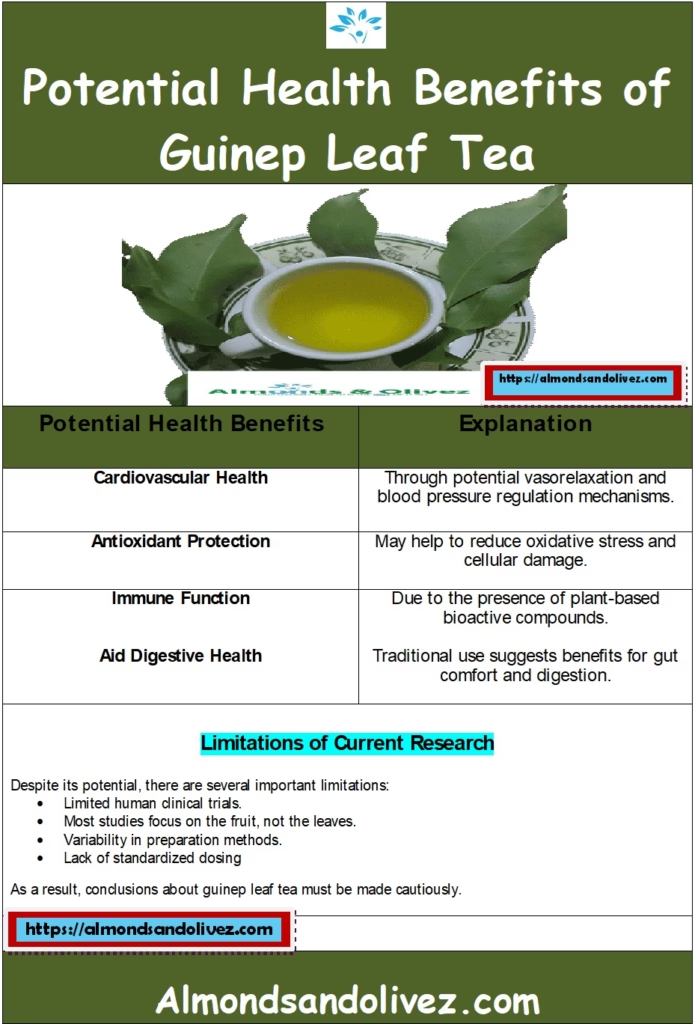
Illustrative Summary
Here is an illustrative summary of the Potential Health Benefits of GUINEP LEAF TEA
Let’s Sum Up!
Guinep leaf tea, derived from Melicoccus bijugatus, represents an important part of Caribbean herbal tradition. While scientific research on the leaves specifically is still limited, existing evidence suggests that the plant contains bioactive compounds with potential antioxidant, anti-inflammatory, and cardiovascular benefits.
However, it is important to approach these findings with balance. Guinep leaf tea may support overall wellness, but it should not be considered a replacement for medical treatment.
As research continues, traditional remedies like guinep tea may gain greater recognition, not only for their cultural value but also for their potential role in modern health and nutrition.
This brings me to the conclusion of my experience. While the tea did not really have any taste, I did not feel any way after drinking just a small cup. But remember, we are all unique, and my experience is just that, ‘my experience.’ Also, I loved the mild green colour (it was beautiful) and certainly did not want to ‘mess it up’ by adding sugar. So, I drank it ‘sugar-free’. I only used two (2) leaves. Will this be part of my regular ‘bush tea’ rotation? Not yet, but maybe occasionally. I will update this article as new research emerges.
So, now that we have explored the potential benefits of guinep leaf tea, have you ever consumed it? If not, would you consume it? If yes or no, why? Share it nuh! In the comments below.
Here are some other useful articles and free downloads that can help you on your journey to a healthier lifestyle.
- Free Download – Caribbean Bush Tea Guide
- Guinep (Ackee Plum): Nutrition, Health Benefits, Uses & Risks
- How to Make Guinep Leaf Tea
- Soursop leaf tea: The Nerve Health Tea
- 5 Amazing Soursop Benefits
- Cerasee and Diabetes
- Is Cerasee Good for Your Kidneys
- Cerasee Tea: Benefits, Risks and How to Use It Safely
- 5 Jamaican and Caribbean Foods for Weight Loss
- Video – Let’s Talk Cerasee
References and Further Readings
- L.H.; Bailey, E.Z.; the staff of the Liberty Hyde Bailey Hortorium. 1976. Hortus third: A concise dictionary of plants cultivated in the United States and Canada. Macmillan, New York.
- Bystrom LM. The potential health effects of Melicoccus bijugatus Jacq. Fruits: phytochemical, chemotaxonomic and ethnobotanical investigations. Fitoterapia. 2012 Mar;83(2):266-71. doi: 10.1016/j.fitote.2011.11.018. Epub 2011 Dec 4. PMID: 22155593; PMCID: PMC3264688.
- Carmona-Hernandez, Juan & Gonzalez-Correa, Clara & Fausto-Gonzalez, Cristian. (2025). Antioxidant Potential of Polyphenols from Colombian Melicoccus Bijugatus fruit. International Journal of Innovative Research and Scientific Studies. 8. 769-776. 10.53894/ijirss. v8i2.5321.
- Chavda VP, Feehan J, Apostolopoulos V. Inflammation: The Cause of All Diseases. Cells. 2024 Nov 18;13(22):1906. doi: 10.3390/cells13221906. PMID: 39594654; PMCID: PMC11592557.
- Jin, R. C., & Loscalzo, J. (2010). Vascular nitric oxide: Formation and function. Journal of Blood Medicine, 1, 147. https://doi.org/10.2147/JBM.S7000
- Nwokocha, C.R., Gordon, A., Palacios, J. et al. Hypotensive and antihypertensive effects of an aqueous extract from Guinep fruit (Melicoccus bijugatus Jacq) in rats. Sci Rep 10, 18623 (2020). https://doi.org/10.1038/s41598-020-75607-3
- Mudau, Fhatuwani & Mariga, Irvinei. (2012). Bush tea is an herbal beverage and medicinal plant. Tea in Health and Disease Prevention. Book Chapter 15: Tea in Health and Disease Prevention, 1st Edition.
- Nguyen TL, Rusten A, Bugge MS, Malterud KE, Diallo D, Paulsen BS, Wangensteen H. Flavonoids, gallotannins and ellagitannins in Syzygium guineense and the traditional use among Malian healers. J Ethnopharmacol. 2016 Nov 4; 192:450-458. doi: 10.1016/j.jep.2016.09.035. Epub 2016 Sep 17. PMID: 27647014.
- Roslan, A.S., Ismail, A., Ando, Y. et al. Effect of drying methods and parameters on the antioxidant properties of tea (Camellia sinensis) leaves. Food Prod Process and Nutr 2, 8 (2020). https://doi.org/10.1186/s43014-020-00022-0
- Rudrapal M, Khairnar SJ, Khan J, Dukhyil AB, Ansari MA, Alomary MN, Alshabrmi FM, Palai S, Deb PK, Devi R. Dietary Polyphenols and Their Role in Oxidative Stress-Induced Human Diseases: Insights into Protective Effects, Antioxidant Potentials and Mechanism(s) of Action. Front Pharmacol. 2022 Feb 14; 13:806470. doi: 10.3389/fphar. 2022.806470. PMID: 35237163; PMCID: PMC8882865.
- Stoffels, Karin (September 2008). “Soap Nut Saponins Create Powerful Natural Surfactant”. Personal Care Magazine. Jeen International Corporation. Archived from the original on 2011-06-15.
- Vandebroek I, Picking D (Eds.) (2016) Popular medicinal plants in Portland and Kingston, Jamaica. Kingston: Pear Tree Press.
- Williamson G, Sheedy K. Effects of Polyphenols on Insulin Resistance. Nutrients. 2020 Oct 14;12(10):3135. doi: 10.3390/nu12103135. PMID: 33066504; PMCID: PMC7602234.
- Wilson, Javain & Barnaby, Andrea & Bailey, Dennis. (2019). Melicoccus Bijugatus (guinep): Phytochemical Properties, Associated Health Benefits and Commercial Applications. International Journal of Fruit Science. 20. 1-8. 10.1080/15538362.2019.1669517.
- Zhao Z, Chen R, Ng K. Effects of Differently Processed Tea on the Gut Microbiota. Molecules. 2024 Aug 25;29(17):4020. doi: 10.3390/molecules29174020. PMID: 39274868; PMCID: PMC11397556.


 Jamaican Saltfish Fritters (Made Simple)