
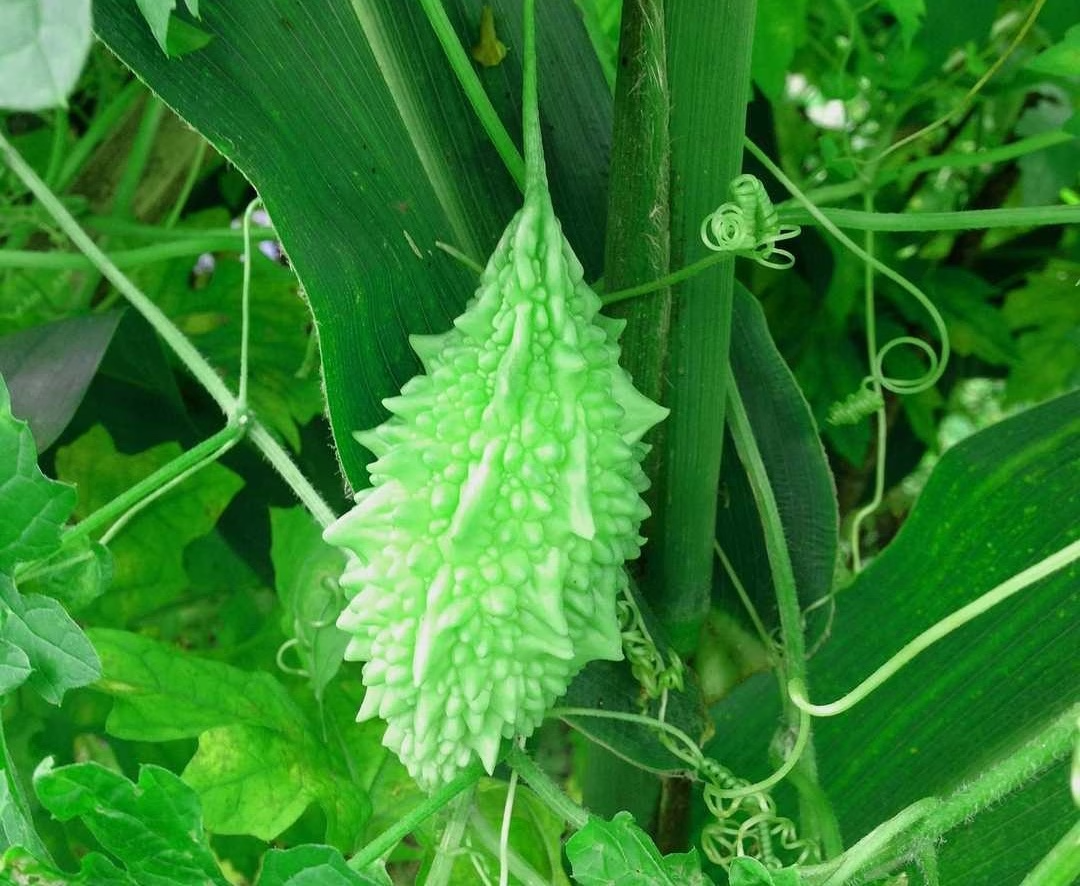
Cerasee, also known as Momordica charantia (bitter melon), is a widely used ‘bush tea’ usually used as an herbal remedy in many Caribbean households and Jamaica is no exception. Traditionally consumed as a tea, cerasee has long been associated with “cleansing the blood,” improving digestion, and supporting overall health.
Among these claims is the belief that cerasee may help support kidney health. But how accurate is this claim? Can cerasee truly benefit the kidneys, or are there risks that should be considered? In this article, we explore what science says about cerasee and its potential effects on kidney function. Let’s explore what research says!
What is Cerasee?
Cerasee (Momordica charantia), commonly known as bitter melon or bitter gourd, is derived from the leaves and vines of the bitter melon plant, Momordica charantia. According to research, it is rich in several bioactive compounds, including flavonoids, alkaloids, triterpenoids and phenolic compounds (Thakur et al. 2016).
These compounds are believed to contribute to its antioxidant, anti-inflammatory, and potential therapeutic properties (Robson, 2014; Xu et al. 2015; Jia et al. 2017; Bai et al. 2017).
You can read more about cerasee especially its purported benefits for diabetes in this detailed article.
Cerasee (Bitter Melon) and Diabetes: Benefits, Risks and What Science Says
Understanding Kidney Health
The kidneys are two (2) bean-shaped organs that sits just below the rib cage with one each being on the side of the spine (National Institutes of Health). They form part of the urinary tract, like the bladder.
The kidneys play a vital role in maintaining overall health by filtering waste products from the blood, regulating fluid balance, maintaining electrolyte levels and supporting blood pressure regulation. It also reportedly stimulates the production of red blood cells and maintains the health of the bones (Robson, 2014).
Damage to the kidneys can lead to conditions such as chronic kidney disease (CKD), which is often linked to the long-term effects of diabetes, hypertension, and inflammation, which causes a strain on the kidneys (Center for Disease Control – CDC; National Health Services).
Damage to the kidneys can lead to conditions such as chronic kidney disease which is often linked to diabetes and hypertension.
Potential Benefits of Cerasee for the Kidneys
Cerasee has long been used in traditional medicine for its perceived “cleansing” properties. While these claims are largely based on cultural practices, emerging scientific research suggests that cerasee contains bioactive compounds that may support various aspects of health.
When it comes to kidney function, the potential benefits of cerasee are thought to be more indirect rather than specific. Here are a few of the potential benefits of cerasee when it comes to the kidneys. However, it is important to note that research in humans is still limited, and more studies are needed to fully understand its effects on kidney health both in the short or long term.
1. Antioxidant Properties
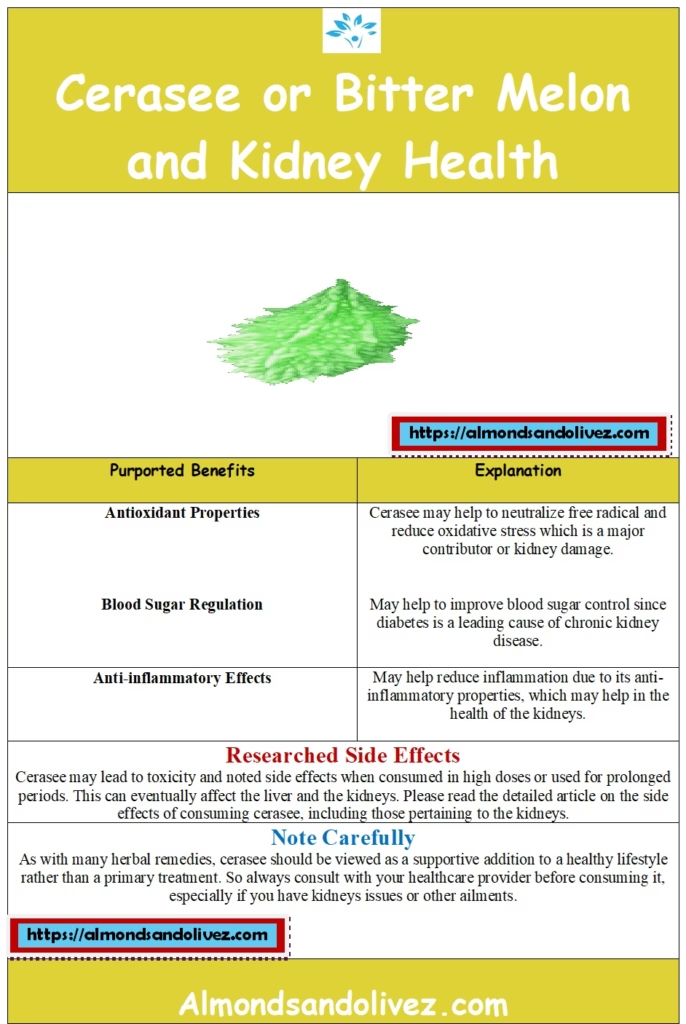
Oxidative stress is a major contributor to kidney damage. Cerasee contains antioxidant compounds that may help neutralize free radicals and reduce oxidative stress.
Studies have shown that extracts of Momordica charantia exhibit significant antioxidant activity, which may help protect tissues, including the kidneys (Xu et al. 2015; Jia et al. 2017; Bai et al. 2017).
2. Blood Sugar Regulation
One of the most well-researched benefits of cerasee is its ability to help regulate blood glucose levels. Since diabetes is a leading cause of chronic kidney disease, improving blood sugar control may indirectly support kidney health (Xu et al. 2015; Robson, 2015).
Research suggests that bitter melon may enhance glucose uptake and improve insulin sensitivity (Efird et al. 2014).
You can read the detailed article about cerasee and its impact on diabetes in the article below:
Cerasee (Bitter Melon) and Diabetes: Benefits, Risks and What Science Says
3. Anti-Inflammatory Effects
Chronic inflammation is another key factor in kidney damage. Some studies indicate that cerasee possesses anti-inflammatory properties, which may help reduce inflammation-related damage in the body (Xu et al. 2015; Jia et al. 2017; Bai et al. 2017).
What Does the Research Say About Direct Kidney Effects?
While cerasee shows promise in areas that influence kidney health, direct human studies specifically examining its effects on kidney function are limited.
Some animal studies suggest that bitter melon extracts may offer protective effects against kidney damage, particularly in diabetic models (Yin et al. 2008). However, more human clinical trials are needed to confirm these findings.
Cerasee and the Kidneys: Some animal studies suggests that bitter melon or cerasee may offer protective effects against kidney damage. However, more human clinical trials are needed to confirm these findings.
Potential Risks and Side Effects
Despite its potential benefits, cerasee is not without risks. Here are a few of the side effects as suggested by research.
1. Toxicity with Excessive Use
High doses or prolonged use may lead to toxicity, particularly affecting the liver and kidneys. (Bortolotti M et al. 2019).
2. Blood Sugar Drops
Because cerasee can lower blood sugar, excessive intake may lead to hypoglycemia, especially in individuals taking diabetes medication (Jia et al 2017).
3. Abdominal pain and diarrhea
Clinical studies have shown that the consumption of high doses (equivalent to 250 – 500 grams) of cerasee or bitter melon may cause abdominal pain and even diarrhea in diabetes (Patel et al. 1968).
4. Pregnancy Concerns
Cerasee is generally not recommended during pregnancy due to potential uterine-stimulating effects. Research also suggests that it shows abortive properties in animal studies due to a particular protein found in its extracts (Basch et al. 2003).
5. Limited Regulation
Herbal remedies like cerasee are not standardized, meaning potency and dosage can vary. Additionally, long-term, prolong and consistent consumption is not recommended by research.
Is Cerasee Good for Your Kidneys?
Based on studies mentioned, cerasee may support kidney health indirectly by:
- Reducing oxidative stress
- Supporting blood sugar control
- Lowering inflammation
However, it is not a proven treatment for kidney disease, and its direct effects on kidney function in humans remain unclear.
Cerasee or bitter melon may support kidney health indirectly by reducing oxidative stress and inflammation and supporting blood sugar control.
How to Prepare Cerasee Tea Safely
Cerasee is most commonly consumed as a tea, but preparation and quantity are important to ensure safety and effectiveness.
To prepare cerasee tea, fresh or dried leaves of Momordica charantia are typically rinsed and steeped in hot water for several minutes. The tea is naturally bitter, and while some individuals may add sweeteners, it is often consumed in its pure form to preserve its traditional use. The consumption of the dried leaves is often recommended for potency and to preserve flavour.
When incorporating cerasee into your routine, moderation is key. Small amounts consumed occasionally are generally considered safe for most healthy individuals. However, frequent or excessive consumption may increase the risk of adverse effects.
It is especially important for individuals with underlying health conditions, including chronic kidney disease, or those taking medications (particularly for blood sugar control), to consult a healthcare professional before use.
As with many herbal remedies, cerasee should be viewed as a supportive addition to a healthy lifestyle rather than a primary treatment.
Illustrative Summary
Here is an illustrative summary of the CERASEE And the KIDNEYS
Let’s Sum Up!
Cerasee, or Momordica charantia, is a traditional herbal remedy with promising antioxidant and metabolic benefits. While these properties may support overall health—and indirectly benefit the kidneys—scientific evidence specifically confirming its effectiveness for kidney health is still limited.
As with any herbal remedy, moderation and informed use are key. Individuals with existing kidney conditions or those taking medications should consult a healthcare professional before incorporating cerasee into their routine.
So, now that we have explored cerasee and its potential benefits of cerasee for kidneys, is cerasee a ‘bush tea’ you consume? How often do you consume it? Share it nuh! In the comments below. Remember, cerasee should not be consumed regularly due to its purported side effects.
Here are a few useful articles that can help you on your journey of a healthier lifestyle:
- Cerasee (Bitter Melon) and Diabetes: Benefits, Risks and What Science Says
- Video – Let’s Talk Cerasee
- Burdock Root Benefits – 6 Reasons Why This Herb is a Gift of Nature
- Video: Let’s Talk Burdock Root
- Our ABC’s: A Complete Vitamins Overview
- Micronutrients and Macronutrients
- Podcast – Top Functional Foods of 2026 & Beyond
References and Further Readings
- Bai J., Zhu Y., Dong Y. Response of gut microbiota and inflammatory status to bitter melon (Momordica charantia L.) in high fat diet induced obese rats. J. Ethnopharmacol. 2016;194:717–726. doi: 10.1016/j.jep.2016.10.043. [DOI] [PubMed] [Google Scholar][Ref list]
- Basch E., Gabardi S., Ulbricht C. (2003). Bitter melon (Momordica charantia): a review of efficacy and safety. Am. J. Health Syst. Pharm. 60 356–359. 10.1093/ajhp/60.4.356 [DOI] [PubMed] [Google Scholar][Ref list].
- Bortolotti M, Mercatelli D, Polito L. Momordica charantia, a Nutraceutical Approach for Inflammatory Related Diseases. Front Pharmacol. 2019 May 8;10:486. doi: 10.3389/fphar.2019.00486. PMID: 31139079; PMCID: PMC6517695.
- Efird JT, Choi YM, Davies SW, Mehra S, Anderson EJ, Katunga LA. Potential for improved glycemic control with dietary Momordica charantia in patients with insulin resistance and pre-diabetes. Int J Environ Res Public Health. 2014 Feb 21;11(2):2328-45. doi: 10.3390/ijerph110202328. PMID: 24566057; PMCID: PMC3945602.
- Jia S, Shen M, Zhang F, Xie J. Recent Advances in Momordica charantia: Functional Components and Biological Activities. Int J Mol Sci. 2017 Nov 28;18(12):2555. doi: 10.3390/ijms18122555. PMID: 29182587; PMCID: PMC5751158.
- Joseph, B. and Jini, D. (2013) Antidiabetic Effects of Momordica charantia (Bitter Melon) and Its Medicinal Potency. Asian Pacific Journal of Tropical Disease, 3, 93-102. http://dx.doi.org/10.1016/S2222-1808(13)60052-3
- Patel J.C., Dhirawani M.K., Doshi J.C. Karelia in the treatment of diabetes mellitus. Indian J. Med. Sci. 1968;22:30–32. [PubMed] [Google Scholar][Ref list]
- Robson L. The kidney–an organ of critical importance in physiology. J Physiol. 2014 Sep 15;592(18):3953-4. doi: 10.1113/jphysiol.2014.279216. PMID: 25225258; PMCID: PMC4198006.
- Thakur, Mamta & Sharma, R. (2016). BITTER GOURD: HEALTH PROPERTIES AND VALUE ADDITION AT FARM SCALE a. 1.
- Xu X., Shan B., Liao C.H., Xie J.H., Wen P.W., Shi J.Y. Anti-diabetic properties of Momordica charantia L. polysaccharide in alloxan-induced diabetic mice. Int. J. Biol. Macromol. 2015;81:538–543. doi: 10.1016/j.ijbiomac.2015.08.049. [DOI] [PubMed] [Google Scholar][Ref list].
- Yin J, Zhang H, Ye J. Traditional chinese medicine in treatment of metabolic syndrome. Endocr Metab Immune Disord Drug Targets. 2008 Jun;8(2):99-111. doi: 10.2174/187153008784534330. PMID: 18537696; PMCID: PMC2467395.
- Zhang F., Lin L., Xie J. A mini-review of chemical and biological properties of polysaccharides from Momordica charantia. Int. J. Biol. Macromol. 2016;92:246–253. doi: 10.1016/j.ijbiomac.2016.06.101. [DOI] [PubMed] [Google Scholar][Ref list]


 Longevity Habits from the World’s Blue Zones: What Can We Learn?